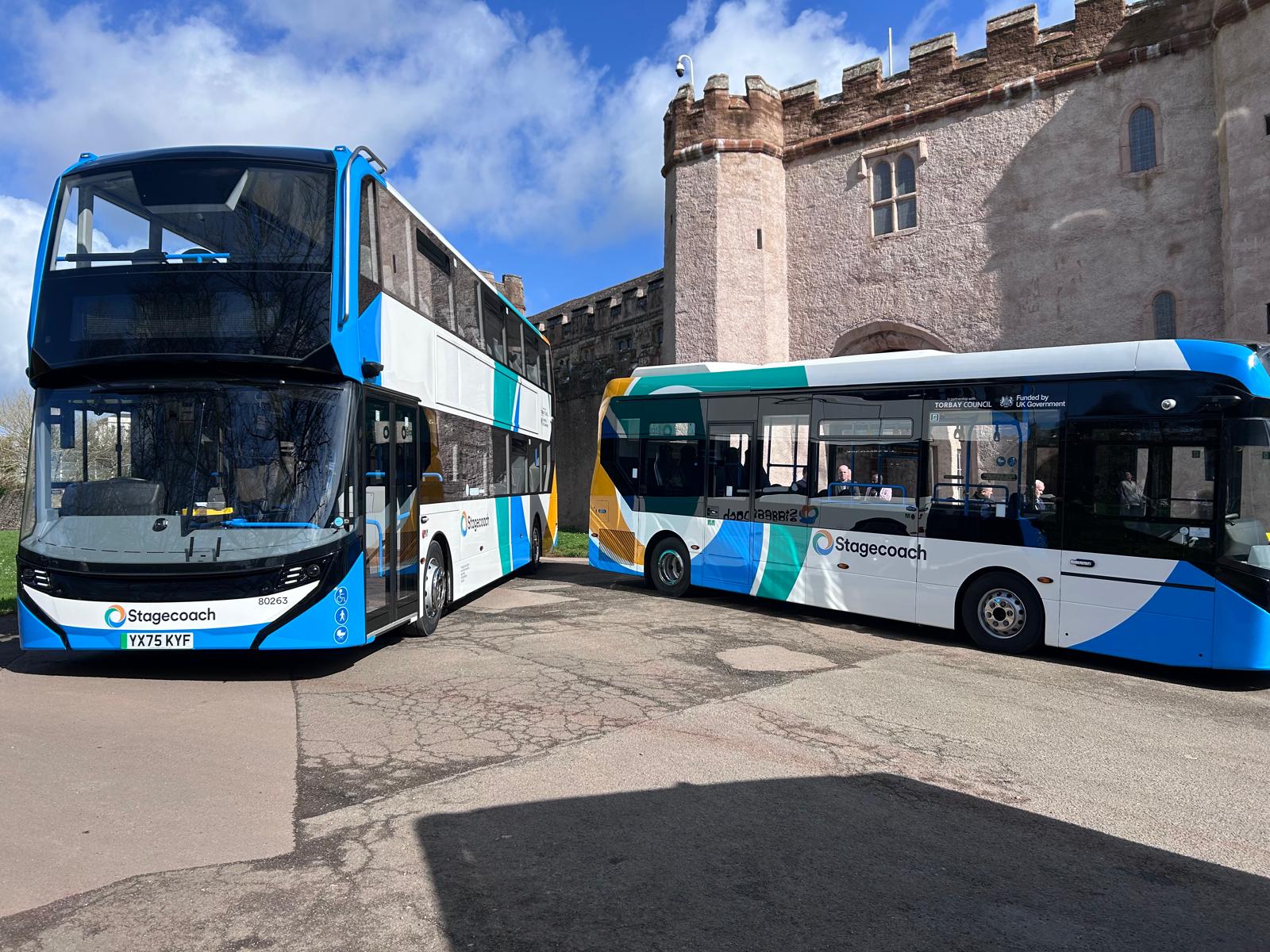
At its meeting on 25 November, the Devon and Torbay Combined County Authority (DTCCA) Board agreed to extend free bus travel for the companions of disabled pass holders, heard how a £6 million programme has supported 99 projects across Devon and Torbay, and agreed to press ahead with early work on a long-term spatial plan for growth.
Progressing a long-term plan for growth
The Board noted the completion of the first stage of work on a Spatial Development Strategy (SDS) for Devon, Plymouth and Torbay, and agreed that officers should start the preparatory work that can go ahead now, including gathering evidence on housing need and population change.
The SDS will set out where new homes, jobs and infrastructure should go, so that growth happens in sustainable, well-connected places and residents can more easily reach housing, work and essential services. Government expects it to be in place by 2029.
Councils and partners have already helped shape the work through workshops with every local planning authority, infrastructure providers and other stakeholders. Work that depends on Government decisions, including the final area the strategy will cover and how it will be funded, will follow once those decisions are confirmed.
The Board will receive further updates as work on the strategy progresses.
Free bus travel for disabled residents and their companions
Members approved the DTCCA Concessionary Fares Scheme for 2027/28, which provides free bus travel for eligible older and disabled residents across Devon and Torbay. As the area’s Travel Concession Authority, the DTCCA must publish the scheme by 1 December.
Earlier this year, the Board agreed to harmonise concessionary travel arrangements across Devon and Torbay by funding companion passes for eligible disabled bus pass recipients.
On 17 August 2026, Government announced that eligible pass holders will be entitled to free bus travel at all times from 1 April 2027. The Board agreed to extend companion pass entitlement in line with this change.
This will make public transport more accessible and affordable for disabled residents, helping them travel to medical appointments, access essential services and participate in social activities that can reduce isolation and loneliness.
£6 million invested in communities, businesses and skills
Board members heard that all 99 projects funded through the UK Shared Prosperity Fund (UKSPF) and Rural England Prosperity Fund (REPF) were completed by the September 2026 deadline, with almost £6 million invested across Torbay and every district in Devon.
The programmes have delivered a range of benefits, including:
- More than 5,400 people engaged through community projects
- 44 jobs created, 84 jobs safeguarded and 28 new businesses established through business support
- More than 1,250 residents gaining basic skills, and 171 people helped into work or self-employment
- New and improved cycleways and footpaths, alongside investment in community facilities, public spaces and rural enterprises.
Further benefits from some capital schemes, such as the use of new paths and cycleways, will be recorded in the years ahead as they are realised.
The Board also approved the Independent Remuneration Panel’s recommendations on allowances for three committee roles, agreed a new approach to reporting performance against 16 key measures, and heard that the authority’s finances are on track at the half-year point.
Cllr David Thomas, Chair of the DTCCA, said:
“The results of our UKSPF and REPF programmes show what can be achieved when investment decisions are made locally. Ninety-nine projects have created jobs, helped people gain new skills and improved the places where people live and work.
“By progressing work on a Spatial Development Strategy, we are laying the foundations for sustainable growth, ensuring that new homes, jobs and infrastructure are planned in the right places and supported by the services communities need.”
Cllr Julian Brazil, Vice-Chair of t he DTCCA, said:
“By extending companion passes to all times of day, in line with the Government’s changes to concessionary travel, we are making sure disabled residents who need support can travel when they need to, whether that is to a medical appointment, to work or to see friends and family.
“We remain focused on delivering results for all residents, businesses and communities by making decisions closer to the people they affect.”