By Wendy Hancock
Prehistoric plants, Aerosmith, and the Spice Girls were not what I expected when I accepted an invitation to visit the Apricot Centre at Huxham’s Cross.
I first met Rachel Phillips in 2024, when she and Bob Mehew applied to the capital programme established through the Devon and Torbay devolution deal. The investment has helped expand the centre’s facilities, enabling more than 300 students each year to access training and education.
On a sunny Friday in August, with walking boots and sun cream ready, I visited the centre nestled on the outskirts of Totnes, a pioneering regenerative organic farm, learning and wellbeing centre, and community hub to see first-hand the difference that investment had made and to learn more about regenerative farming.
Our first stop was the wellbeing garden where nature meets healing. The garden which featured in the RHS Chelsea Flower show in 2024, and was relocated to the centre, helps children and families explore the connection between nature and physical and mental health. The centre currently supports 120 young people and their families through therapeutic support and mentoring. The local authority adoption support services, children’s services and education teams referred young people into the centre.
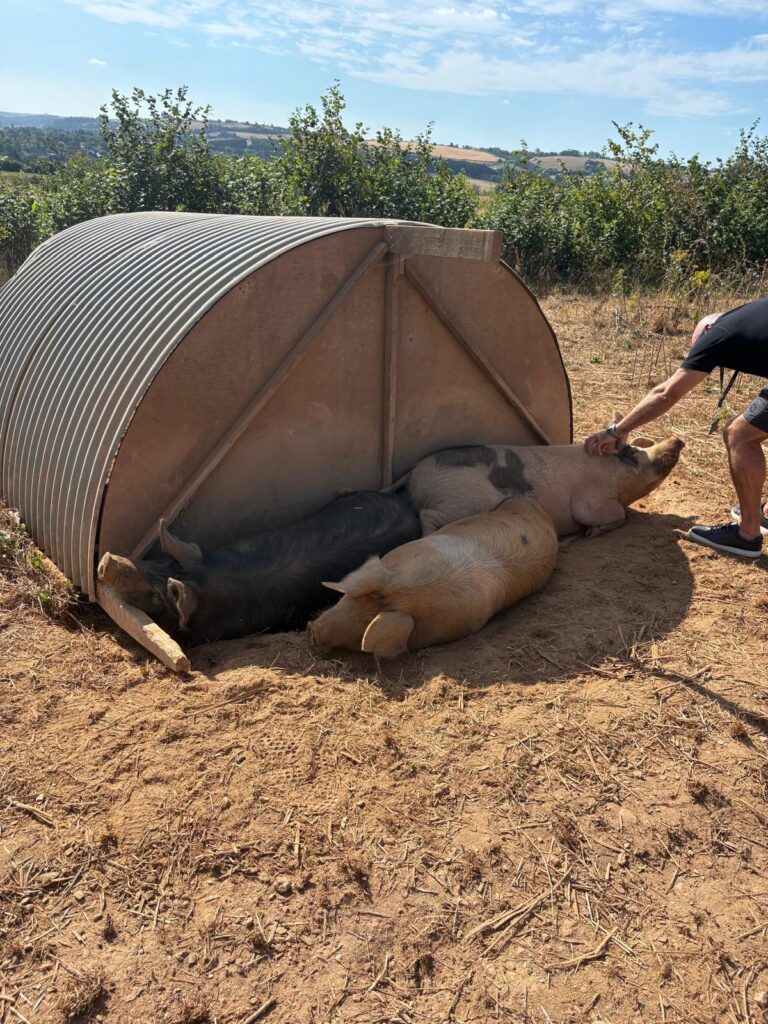
Next, we met the resident pigs who are named after the Spice Girls! Ginger Spice was particularly friendly and enjoyed seeing visitors. The pigs rotate between sections of a field planted with chicory and herbal leys, grazing each area as the crops become ready while helping to support biodiversity. Later, we encountered Aerosmith and 8 piglets, who remained playful and inquisitive despite the heat.
Community runs through everything the centre does. Through its farm-share scheme, it supports new entrant farmers with business planning and mentoring. It is also creating opportunities with local supply chains, with grain grown on the farm, milled and supplied to a local bakery, and the centre is working with a not-for-profit florist to grow flowers for weddings and local organisations.
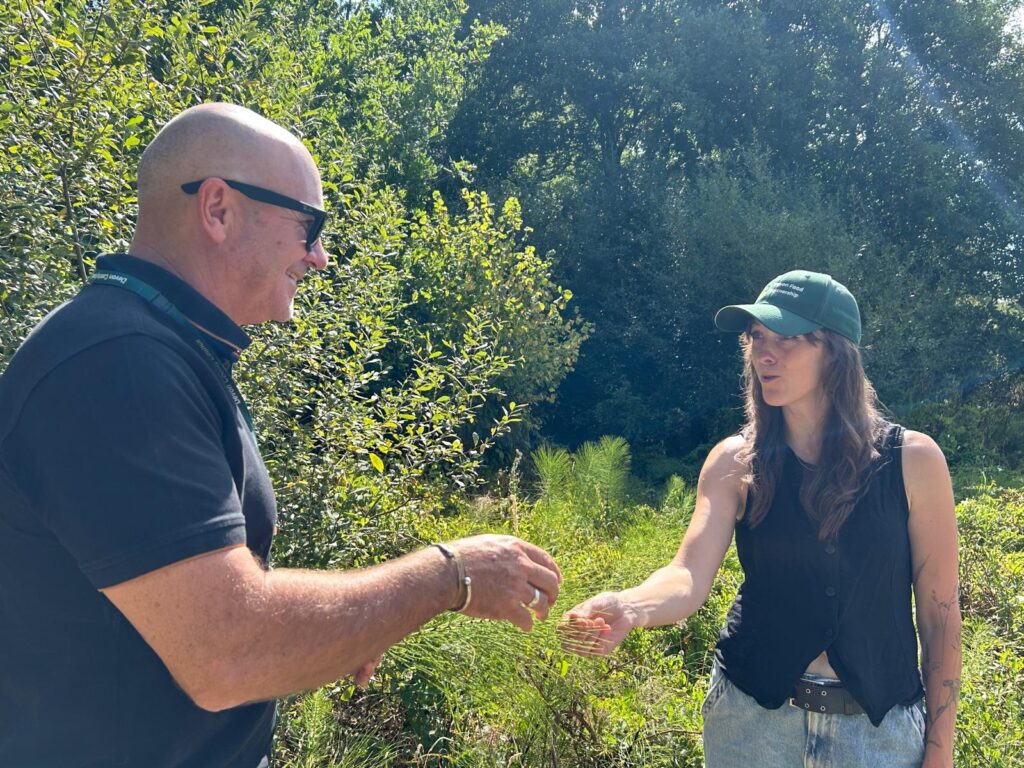
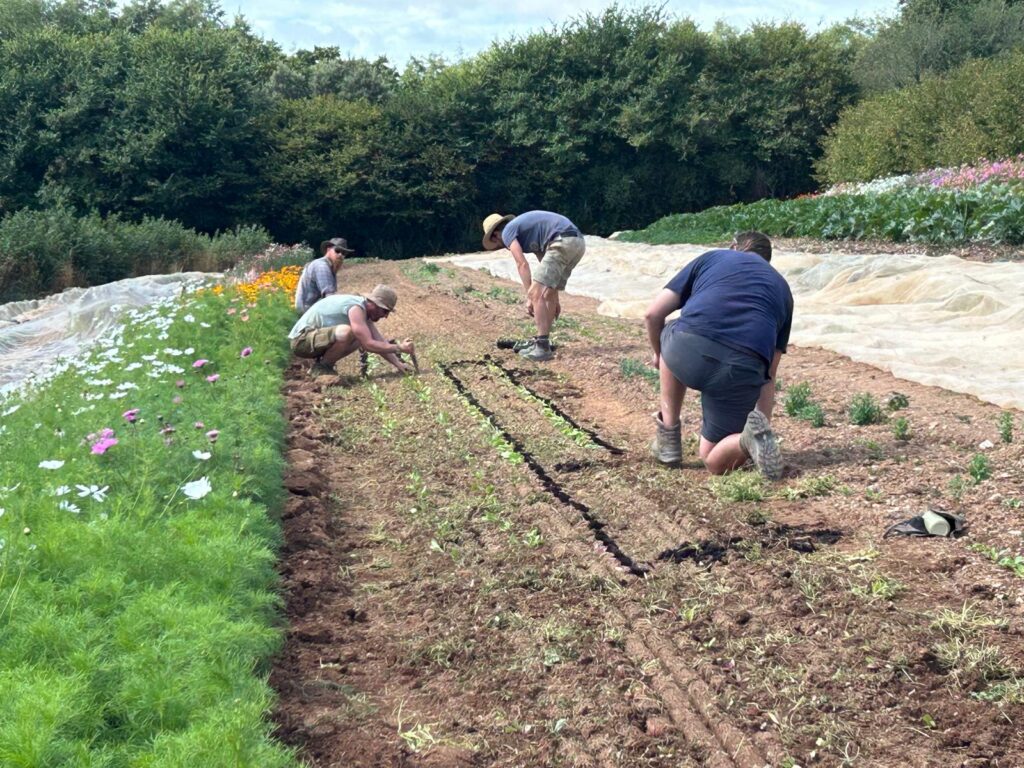
As we walk through fields filled with vegetables, wildflowers and polytunnels, Rachel explained companion planting, where pollinators are attracted to help crops fruit. Pairing plants with tastes that work well together can be an easy way to understand companion planting, for example tomatoes and basil. We were also shown horsetail, a prehistoric plant that has existed for more than 350million years.
On our walk through what would normally be wetland fields, we were told about the diversity of wildlife that can be supported by preserving that type of land. The cows were hiding in the shade but made an appearance as we came to the edge of the site. The cattle play a part in maintaining healthy soil, support biodiversity and strengthen the farm ecosystem.
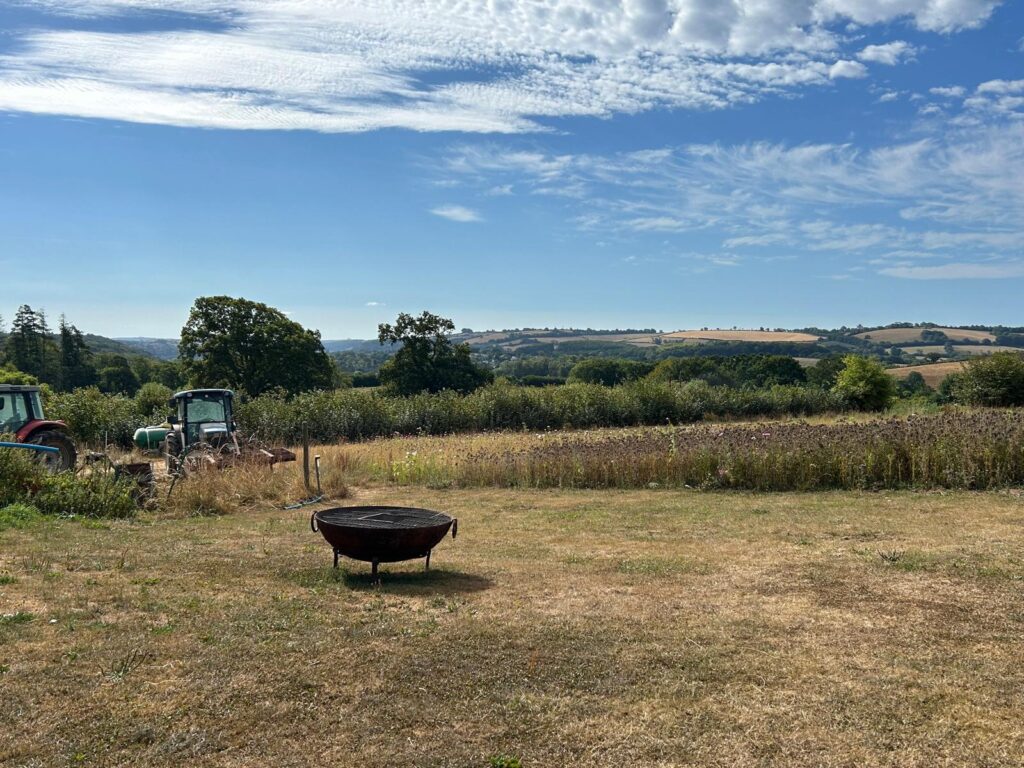
Tucked in a small, wooded area we took a seat around a fire pit under a shelter to hear more about the groups that use the centre. Rachel talked about the range of primary schools, charities, youth groups, farmers, community groups and businesses that have visited. In 2025 the centre had over 480 visitors who spent time learning about regenerative agriculture and food systems.
Our tour finished back at the training centre, a light and versatile space overlooking the beautiful South Hams countryside. From courses in biodynamics, agroecology and regenerative agriculture to business development and holistic livestock management, the centre provides learning opportunities for a diverse range of audiences. It also serves as a hub for school visits, research projects, wellbeing sessions, community events and external meetings, reflecting the centre’s commitment to education, innovation and community engagement.
As the visit came to an end, it was clear that the Apricot Centre is far more than a farm. It is a thriving hub for learning, wellbeing, innovation and community, bringing together sustainable food production, environmental stewardship and social impact in a way that benefits people of all ages.
Leaving the centre, I was struck by the energy, passion and sense of purpose that runs through everything it does. And, after spending time with Ginger Spice and the rest of the herd, I can confidently say that the centre really does know how to spice up your life.
Visit the Apricot Centre website to find out more: The Apricot Centre.